Happy 150th Birthday to the Cincinnati Zoo!
CINCINNATI (WXIX) - It takes years to become one of the best and greenest zoos in the nation - 150 years, to be exact.
Thursday, Sept. 18, marks 150 years since the Cincinnati Zoo and Botanical Gardens first opened its doors to the public.
At the time, there were not nearly as many animals or exhibits, and admission only cost 25 cents for adults and 15 cents for children.
Today, the zoo is the second-oldest in the U.S., home to hundreds of species and welcomes over 1.8 million visitors each year.
The Cincinnati Zoo & Botanical Garden opened its doors 150 years ago today in 1875! From its beginnings as one of the nation’s first zoos to its role today as a leader in animal care, conservation & sustainability, we thank you for being an important part of our story pic.twitter.com/y2aqjT4UVN
— Cincinnati Zoo (@CincinnatiZoo) September 18, 2025
How the zoo got its founding
The Zoological Society of Cincinnati, founded in 1873, started out as a group that wanted to solve Cincinnati’s caterpillar outbreak that was wreaking havoc across green spaces in the city.
Andrew Erkenbrecher, the society’s founder, persuaded the city to import thousands of insect-eating birds to fix the problem. The plan ended up being a success.
Two years later, the Zoological Society created an urban garden with exotic animals - monkeys, bears, deer, raccoons, elk, a buffalo, a hyena, a tiger, an elephant from the circus and more than 400 hundred birds - on 65 acres of land in the middle of a midwestern town, becoming the Cincinnati Zoo.
Significant bits and pieces of history
The oldest zoo building in America
What is known as the Reptile House today, was once the Monkey House, lined with cages to hold the primates for decades.
By 1951, the zoo moved the monkeys out, moving in snakes, lizards and other reptiles, later naming the historic building, the Reptile House.
According to the Cincinnati Zoo, the Reptile House is the oldest zoo building in North America, and home to 20 different species.
In 1975, the Reptile House and the Elephant House were listed on the National Register of Historic Places.
The Western Hemisphere’s first-born giraffe
The Cincinnati Zoo has a long history of giraffe births dating all the way back to 1889 when it welcomed its first calf.
This was the first giraffe born in captivity in the Western Hemisphere, and it was a major development for zoological studies and tourism. It also re-established the zoo’s reputation of being a leader in caring for exotic animals.
Over the course of its 150 years, the zoo has celebrated 17 giraffe births, the most recent one being Theo, who was born in November 2019.
Goodbye, Martha
Billions of passenger pigeons once soared through North American skies during the early 1800s, but as their habitats began to dwindle and hunting them became a popular hobby, the bird disappeared within the next 100 years.
The last known flock was killed in Ohio in 1900, but the Cincinnati Zoo was able to salvage one last flock with attempts to breed them, which ultimately failed.
Only one passenger pigeon remained, named Martha, who died Sept. 1, 1914.
Martha’s death marked the very first documented extinction of a species due to humans, the Cincinnati Zoo says, describing it as “a wake-up call” to conserve wildlife.
Freezing the next generation of species
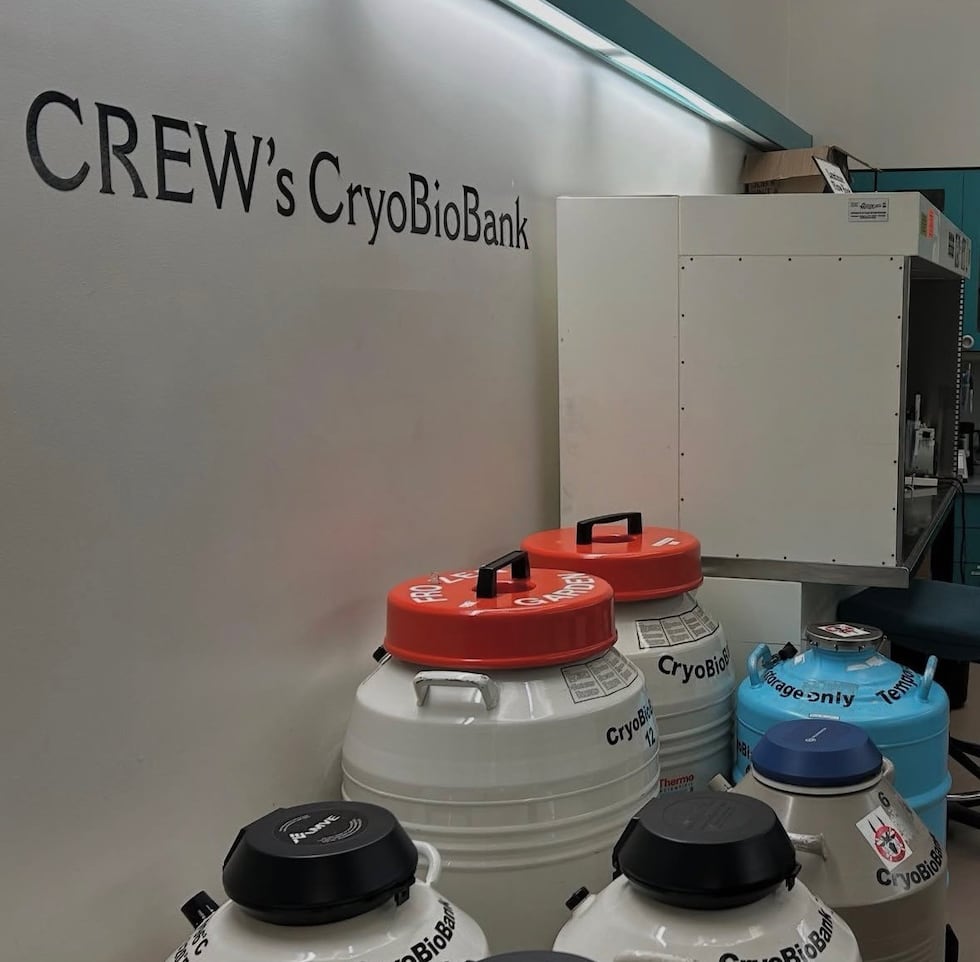
The Cincinnati Zoo became the third zoo in the U.S. to use cryogenics to keep plant and animal embryos, eggs and semen by freezing them.
The Lindner Center for Conservation and Research of Endangered Wildlife, also known as CREW, began this process in 1982 using a CryoBioBank.
This development not only shapes the future of genetics and reproduction, but also serves as another way to transport species around the world.
The ‘Greenest Zoo in America’
In 2010, former Ohio Gov. Ted Strickland named the Cincinnati Zoo the “Greenest Zoo in America,” following the zoo’s most recent green prize in 2009, the Cincinnati Sustainability Award.
Today, zoo officials continue to keep that title through several green projects:
- Installing solar panels on campus and in Warren County to create solar energy
- Mitigating raw sewage away from the Ohio River by collecting and reusing rain water on campus
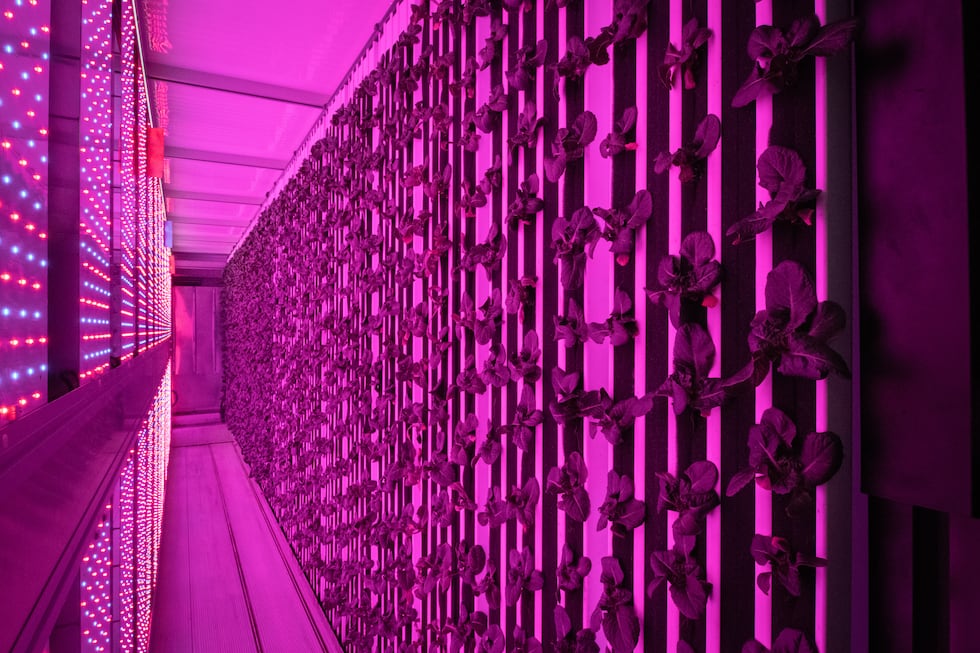
- Growing lettuce and kale to feed to herbivores through hydroponics farming, also known as container farming
- Installing solar panels on crop or livestock farms to reduce carbon footprint
- Hosting zero waste events and implementing recycling programs

A ‘symbol of hope’
Fiona, the hippo that caught the world’s attention, was born two months premature at the zoo’s Hippo Cove in 2017. She was too small to stand or nurse from her mother, Bibi, and therefore was not expected to survive.
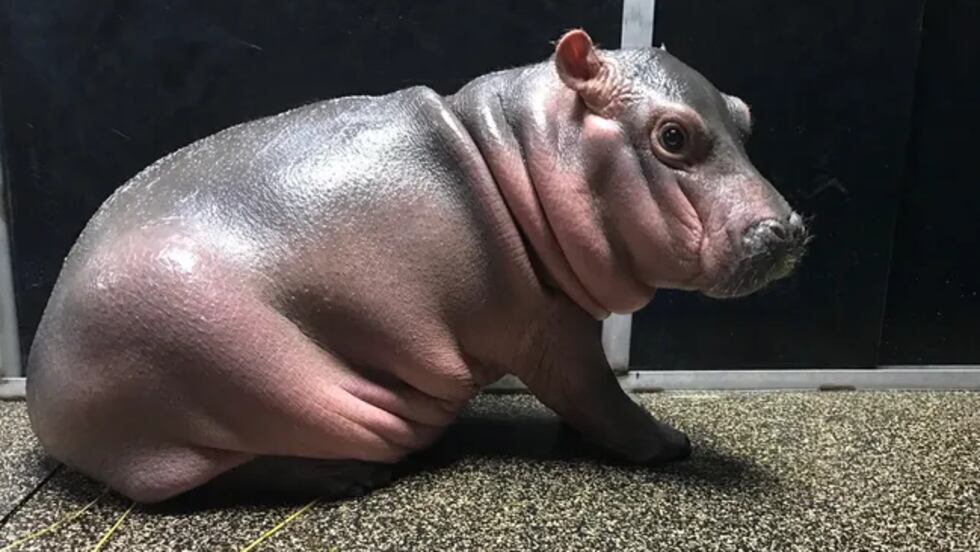
The zoo says the animal care team worked around the clock to take care of her, documenting each step to having a healthy life.
Today, Fiona is a “beloved symbol of hope,” the zoo says.
See a spelling or grammatical error in our story? Please click here to report it.
Do you have a photo or video of a breaking news story? Send it to us here with a brief description.
Copyright 2025 WXIX. All rights reserved.