Aging Untold: What Medicare doesn’t cover
(Aging Untold) — On this episode of Aging Untold, Medicare doesn’t always cover what families expect as care needs rise. We break down how to plan ahead.
Plus, get tips for successful outings with a loved one living with dementia or cognitive decline, including how to prepare and respond to mood shifts in public.
Then, at a Georgia bookstore a couple’s weekly book runs and matching outfits show how shared routines can keep love strong for more than 30 years.
What Medicare doesn’t cover — and how to plan ahead before a crisis hits

Many people assume Medicare covers most of their care needs as they age.
Gerontologist Sam Cradduck said that assumption leads to one of the most common surprises she sees.
“I need a caregiver, and I have Medicare,” Cradduck said, describing a typical call to her office. “And I say, Medicare doesn’t cover it.”
Cradduck said caregiving — help with activities of daily living — is one of the most expensive and most needed services for older adults, yet Medicare does not cover it unless a person has long-term care insurance or qualifying VA benefits.
Other common gaps include dental care, vision, hearing, podiatry, home modifications such as ramps and grab bars and medical care received abroad.
Combating loneliness epidemic through random acts of social connection
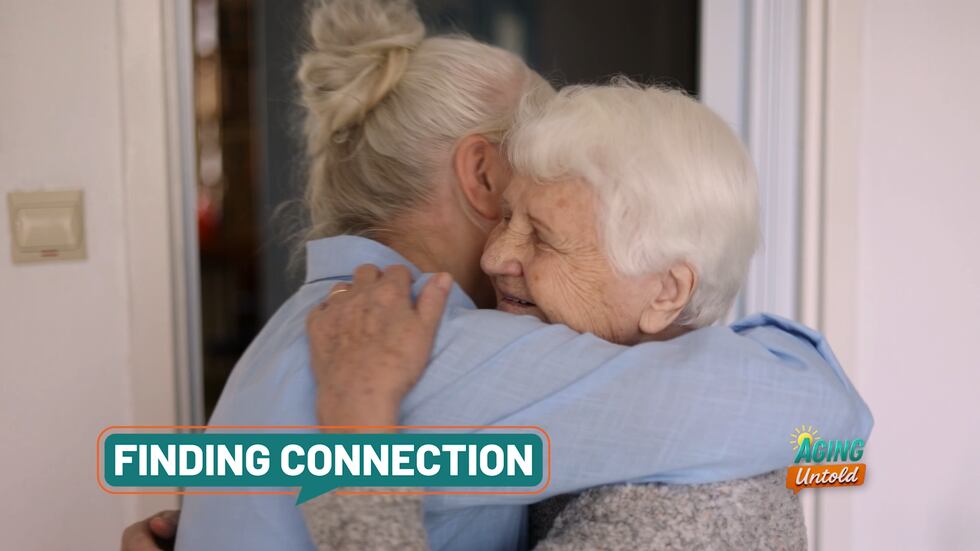
A nonprofit is working to address loneliness and the health consequences it poses.
Becca Bernstein, chief community and operations officer for Belong Center, said the scale of the problem is significant.
“We know right now that one in two American adults say that they experience loneliness,” Bernstein said. “What issue affects literally 50% of American adults?”
She said loneliness is often minimized, but social disconnection is linked to increased rates of stroke, heart disease, depression and death.
Belong Center trains volunteers to perform what the organization calls RASCALs — random acts of social connection and love.
How to take a loved one with dementia out in public
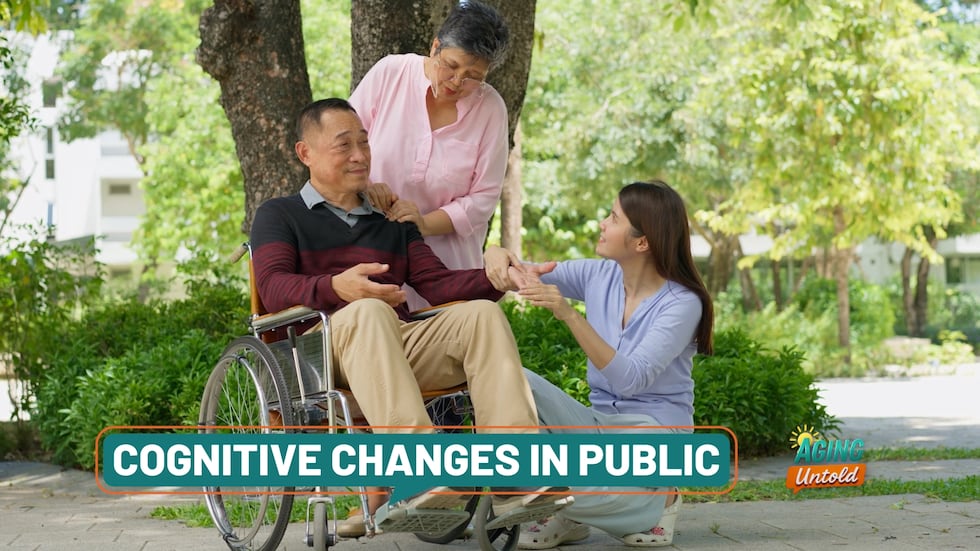
Taking a loved one with dementia or cognitive decline out in public can feel unpredictable.
Cradduck said caregivers can take steps to make outings safer and less stressful — starting with their own mindset.
“The first thing you need to do is not worry about public perception,” Cradduck said. “Their discomfort should not be yours.”
She said a caregiver’s priority should be making sure the person with cognitive decline feels safe, comfortable and connected — not managing the reactions of strangers.
Aging expert Amy O’Rourke encourages caregivers to check in with themselves before heading out.
“How is your emotional state? How do you feel? And are you in a place of patience to go out with them?” O’Rourke said.
Bookstore dates form chapters in tale of 30-year marriage

Michael and Brooks Breedlove have been married for more than 30 years. Each week, they make a date of a secondhand bookstore in Suwanee, Georgia — often in matching outfits.
“It’s something we can do together,” Michael Breedlove said.
The couple began dressing alike after retirement.
“I figured that way, she’d have to associate with me,” Michael Breedlove said.
Copyright 2026 Gray Media Group, Inc. All Rights Reserved.