Aging Untold: What caregivers should know about bowel incontinence in dementia care
(Aging Untold) — On this episode of Aging Untold, we take a closer look at managing incontinence with dignity and respect, including when it’s time to talk to a doctor and how to ease the stigma.
Plus, the environmental benefits of green burials and what families should know.
Then, hop aboard a miniature Alaskan train that’s connecting generations and proving passion has no size limit.
Understanding bowel incontinence in dementia care — what caregivers need to know

If you are a caregiver for a person living with dementia who has bowel incontinence, it can be a challenge.
The first thing caregivers need to understand is that bowel incontinence in someone with dementia is not a choice — it’s a breakdown in the brain’s communication system, Dr. Rhea Rogers, a board-certified physician, said.
Instinct may lead you to respond the way you might respond to a child having an accident — with correction or redirection, but the Aging Untold experts said that will not help.
“Please understand these people know how to do it — or they’ve known,” Sam Cradduck, a gerontologist, said. “And because of brain damage, not because of any other reason, because of true brain damage they now are no longer able to execute it. And no matter how you correct them or shame them and treat them, it’s not going to bring that back.”
Read the full article here to find options, including how to recognize signs of discomfort, create a schedule and make small modifications to help yourself and your loved one.
Green burials, mushroom suits and water cremation: What families should know
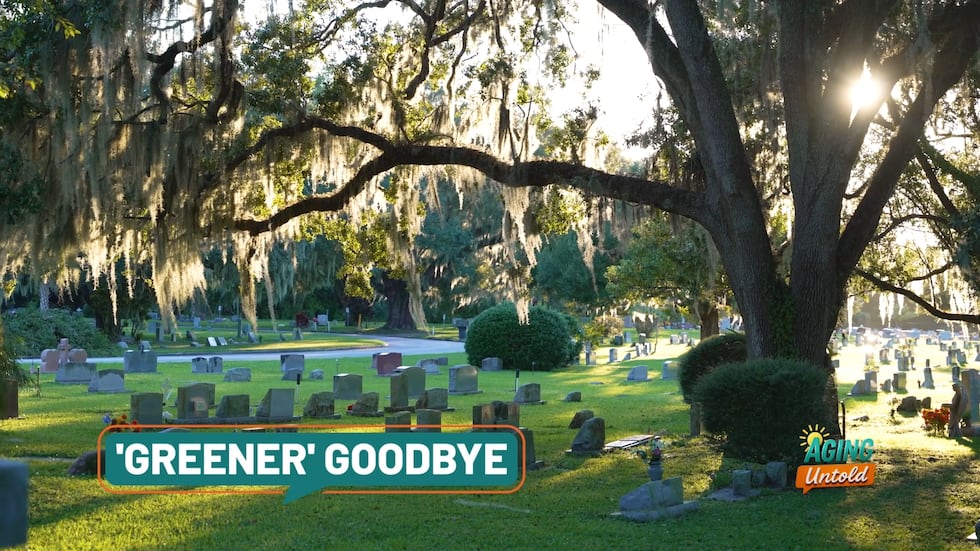
If a green burial is something that you are considering, it will be important to determine which options are available and legal in your area.
At its core, a green burial means skipping embalming, Amy O’Rourke, an aging expert, said. But the options go well beyond that.
Learn more about them, including mushroom suits and water cremation.
Type 1 vs. type 2 diabetes: What’s the difference and why does it matter?
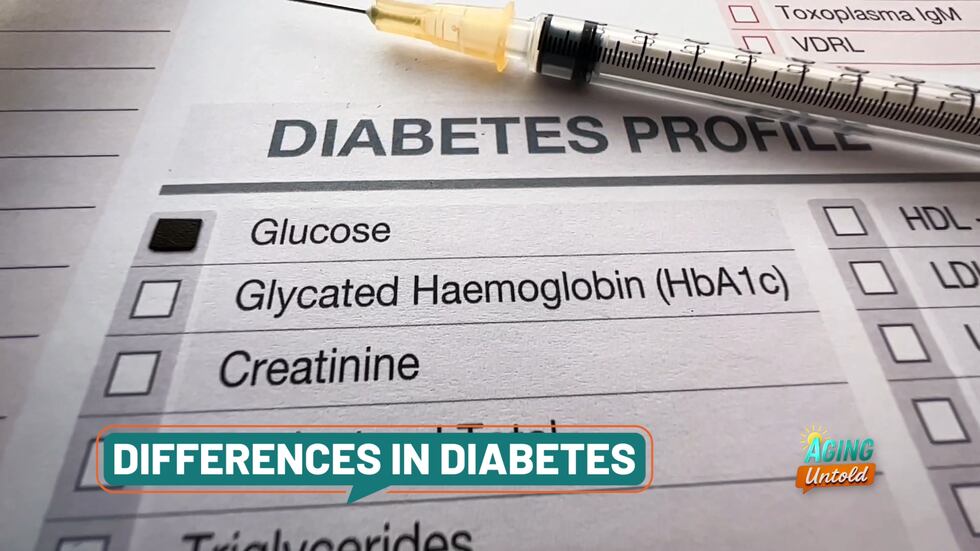
Type 1 and type 2 diabetes affect how the body turns food into energy, resulting in blood sugar that is too high.
But the reason that happens is not the same, Dr. Anna Bradley, an endocrinologist at Vanderbilt University, said.
Dr. Rogers said insulin resistance can precede a diabetes diagnosis by 10 to 15 years.
During that window, standard tests such as hemoglobin A1c, may appear normal, even as fasting insulin levels are elevated — a sign the disease process is already underway, Rogers said.
Because the underlying causes of type 1 and type 2 diabetes differ, so do the treatments.
Alaska grandfather’s miniature railroad continues running 50 years later
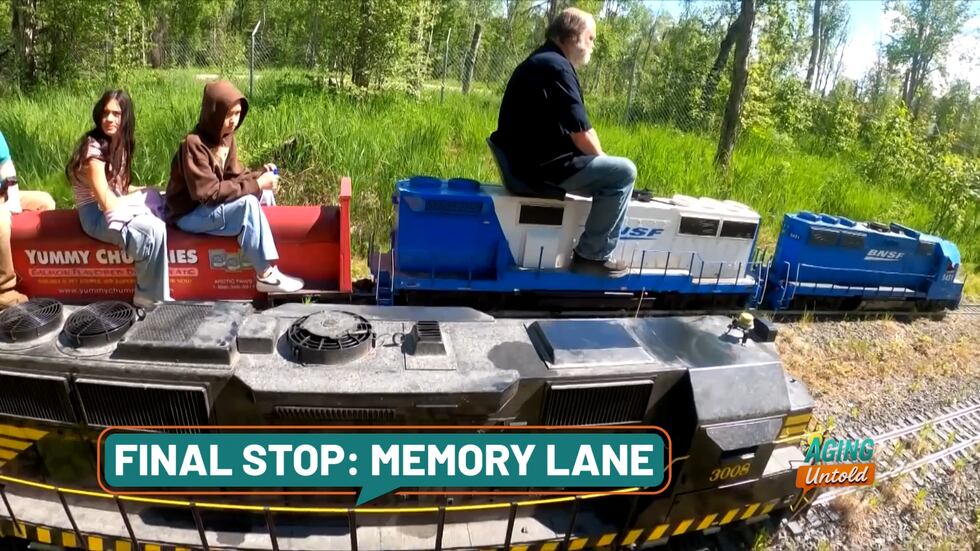
In the woods outside Anchorage, Alaska, you can find a miniature railroad that travels 3 1/2 miles of track, winding through tunnels, over bridges and past scale-model towns on 18 acres.
Jack Klingbeil said he and his wife built the 1/8-scale railroad in 1969 to give their children something to do and stay out of trouble.
More than 50 years later, the train is still running, and visitors take a ride and stop for photo opportunities along the route.
Copyright 2026 Gray Media Group, Inc. All Rights Reserved.